Introduction
In today’s construction industry, tile adhesive has become the preferred solution over traditional cement methods. Whether you are installing ceramic tiles, vitrified tiles, or natural stones like marble, using the right adhesive chemical ensures long-lasting strength, durability, and a flawless finish.
This blog will help you understand everything about tile adhesive, marble adhesive, cement vs adhesive, and how to choose the best solution for your project.
What is Tile Adhesive?
Tile adhesive is a specially formulated adhesive chemical made using a combination of cement, polymers, and additives. It is designed to provide strong bonding between tiles and surfaces like concrete, plaster, or existing tiles.
Unlike traditional cement mortar, tile adhesive offers:
- Better bonding strength
- Crack resistance
- Water resistance
- Easy application
Tile Adhesive vs Cement: Which is Better?
Many people still use traditional cement and sand mix, but modern construction recommends tile adhesive for better performance.
Key Differences:
| Feature | Tile Adhesive | Cement Mortar |
|---|---|---|
| Bond Strength | High | Medium |
| Thickness | Thin layer | Thick layer |
| Application | Easy | Time-consuming |
| Wastage | Low | High |
| Durability | Long-lasting | Can crack |
👉 Conclusion: Tile adhesive is more reliable and efficient compared to traditional cement.
Types of Tile Adhesive
1. Cement-Based Tile Adhesive
- Made with cement and polymers
- Ideal for ceramic and vitrified tiles
- Strong and cost-effective
2. Marble Adhesive
- Specially designed for marble and natural stone
- Prevents stains and moisture damage
- Provides strong grip without damaging stone
3. Ready-Mix Adhesive Chemical
- Pre-mixed solution
- No need for additional cement
- Easy to use for quick installations
Why Marble Needs Special Adhesive?
Marble is a natural stone and requires a specific marble adhesive because:
- It absorbs moisture easily
- Cement can cause stains or discoloration
- Adhesive ensures even bonding without damage
Using proper marble adhesive improves:
- Surface finish
- Longevity
- Resistance to cracks
Benefits of Using Tile Adhesive
✔ Strong bonding with minimal effort
✔ Reduces tile cracking and hollow sounds
✔ Suitable for walls and floors
✔ Works on old tiles (tile-on-tile application)
✔ Saves time and labor cost
How to Apply Tile Adhesive (Step-by-Step)
- Clean the surface properly
- Mix adhesive chemical with water (if required)
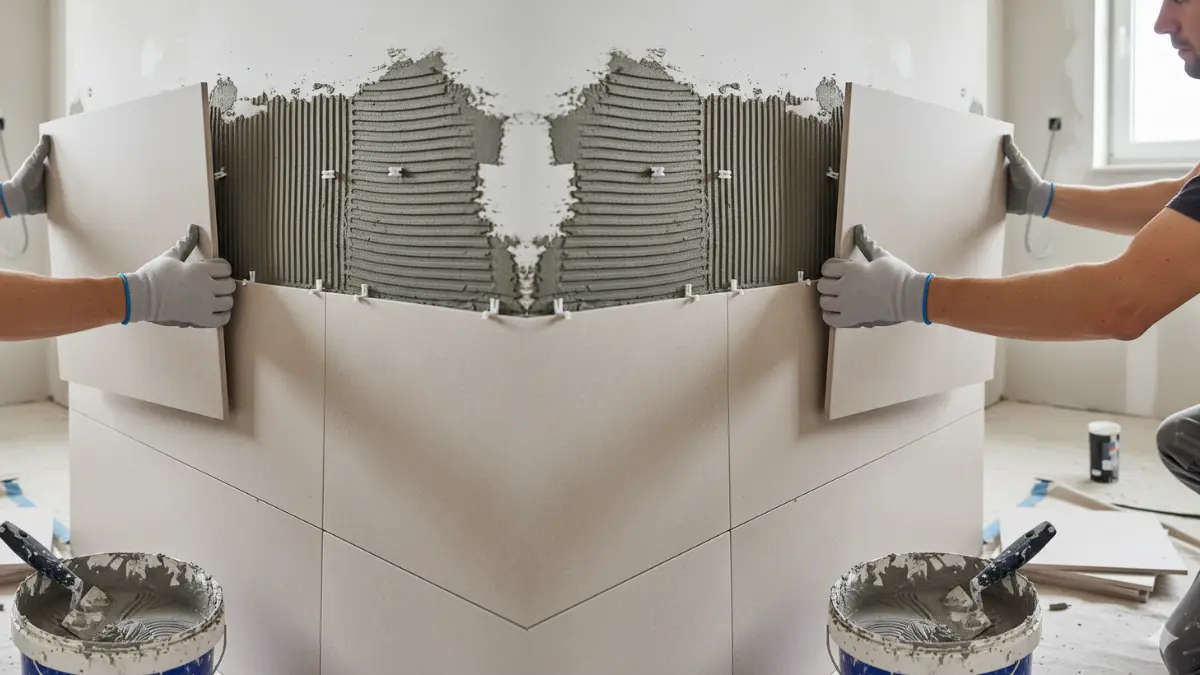
- Apply using a notched trowel
- Place tiles and press evenly
- Allow proper drying time
Common Mistakes to Avoid
❌ Using cement instead of adhesive for large tiles
❌ Applying too thick adhesive layer
❌ Not cleaning surface before application
❌ Using wrong adhesive for marble
Best Use Cases of Tile Adhesive
- Bathroom and kitchen tiles
- Floor and wall tiles
- Marble and granite fixing
- Exterior tile installation
Conclusion
Choosing the right tile adhesive is crucial for a strong, durable, and professional finish. Compared to traditional cement, modern adhesive chemicals provide better performance, faster application, and long-term reliability.